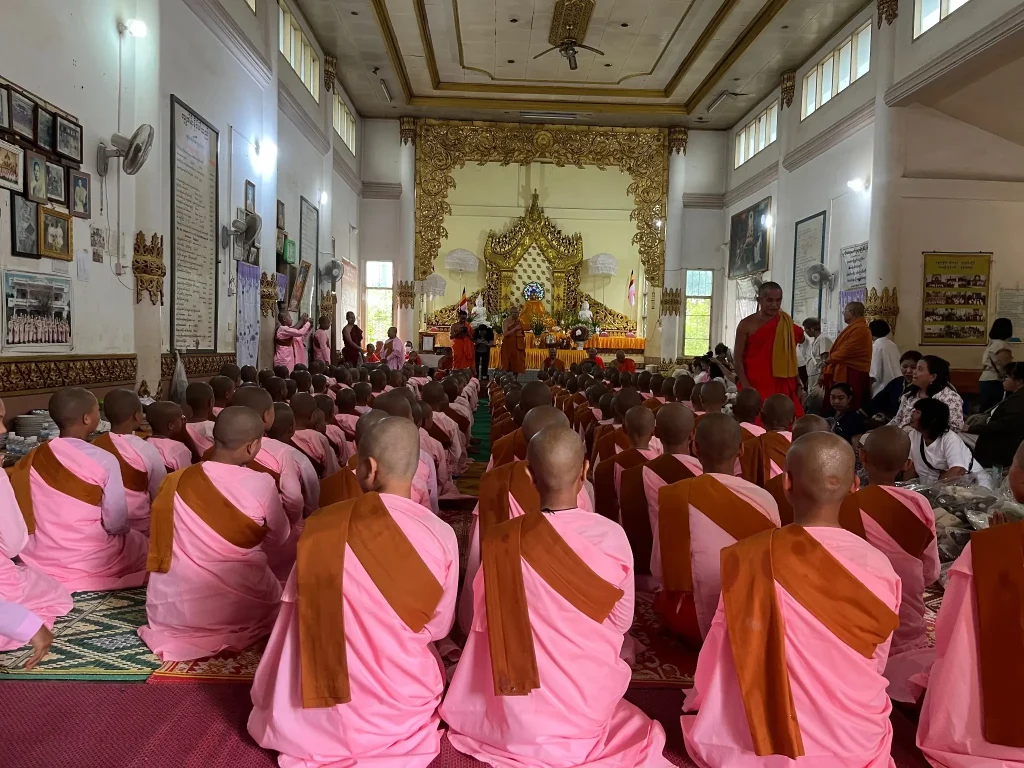
“Some of them have no home to return to.” Those quiet words stayed with our team throughout our visit to Kengtung, Shan State, Myanmar.
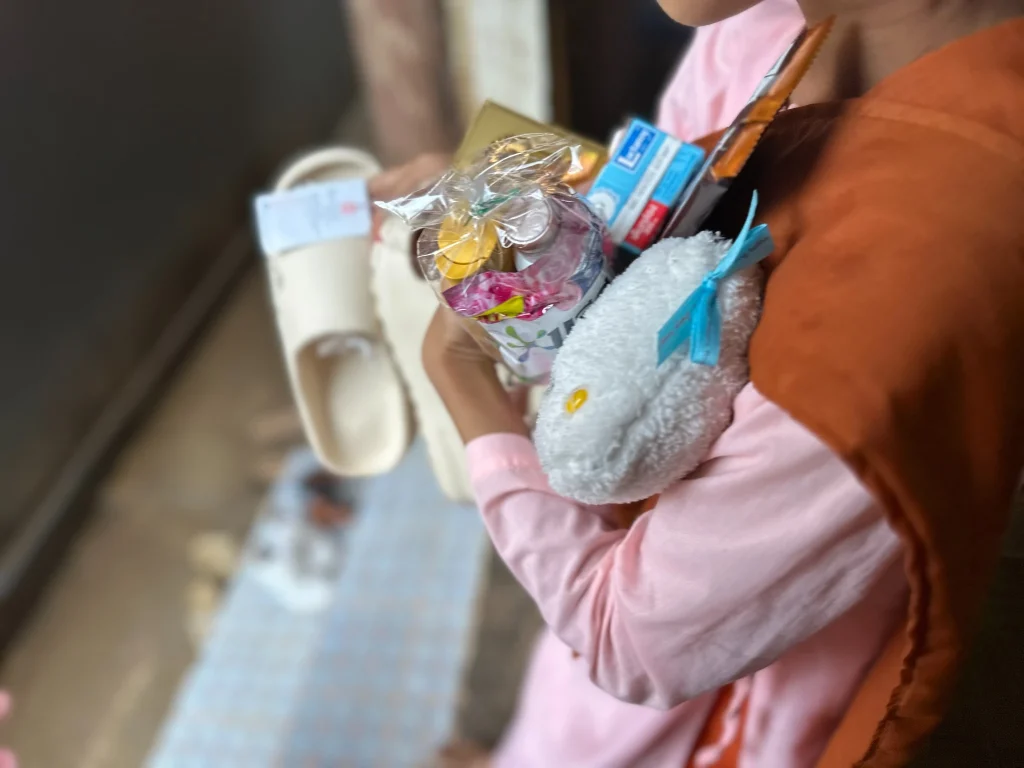
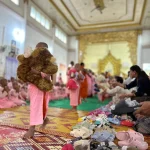
Behind the gates of one Buddhist nunnery live 153 young nuns from seven different ethnic communities. While each child carries her own story, many share the same reality: displacement. Ongoing conflict has separated families, disrupted education, and left many children without a safe place to call home. For these young nuns, the monastery has become more than a place of learning—it is a refuge, a community, and a source of hope.
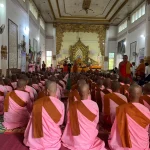
It was this reality that brought together partners from across the Greater Mekong Region during the Greater Mekong Regional Academic Exchange Seminar, held in Kengtung from 18–21 July 2026. Organized through the Greater Mekong Regional Education Cooperation Network Project of Mahachulalongkornrajavidyalaya (MCU), Chiang Mai Campus, in collaboration with the Bodhiyalai Foundation, the Foundation for Study & Practice of Buddhism, the Legal Status Network Foundation (LSNF), the International Network of Engaged Buddhists (INEB), and local monastic, educational, and health partners, the seminar created a space for dialogue on education, healthcare, Buddhist social engagement, cultural preservation, and cross-border cooperation.
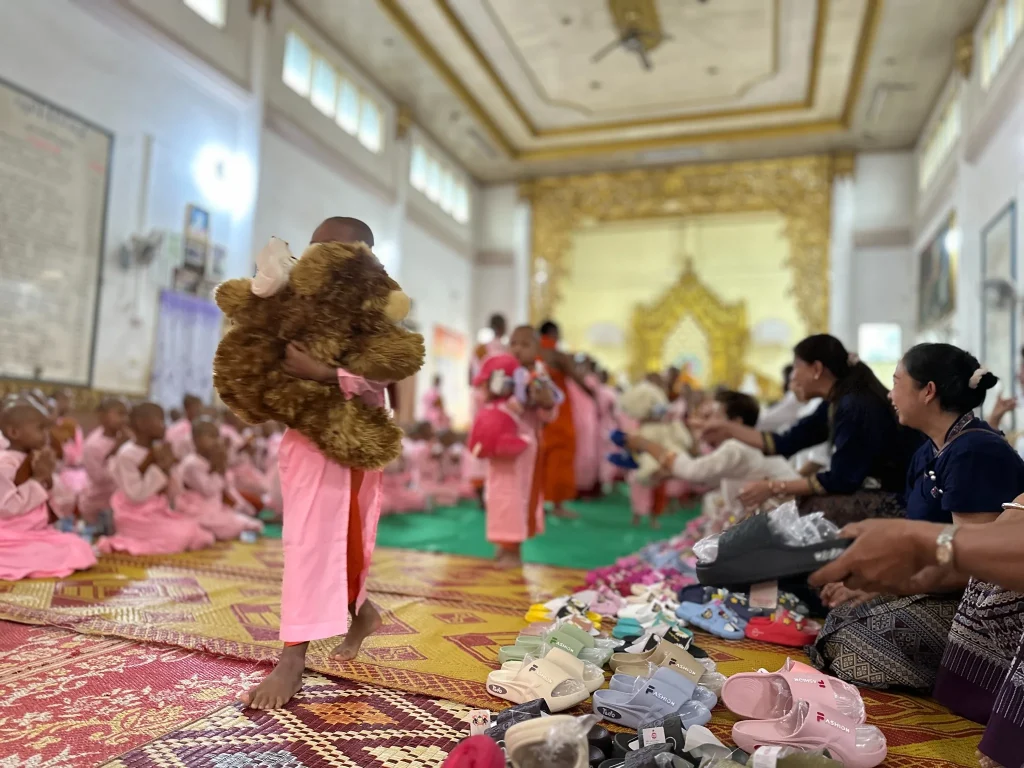
Throughout the exchanges, one message became increasingly clear: protecting children on the move requires more than humanitarian assistance—it requires long-term collaboration across borders. Participants discussed the realities faced by undocumented children, stateless children, unaccompanied minors, and children living in monastic schools, many of whom struggle to access education, healthcare, legal identity, and protection despite the resilience they demonstrate every day.
For INEB, the visit reaffirmed the importance of our Little Buddha: Enhancing Child Protection and Well-being in Buddhist Communities initiative. Buddhist monasteries and learning centers are often among the first places to welcome children displaced by conflict and poverty. By strengthening safeguarding systems, supporting educators and monastic communities, and building partnerships between communities of origin, border areas, and destination communities, we can help ensure that every child is not only sheltered, but also protected, heard, and given the opportunity to thrive.
Sometimes, meaningful collaboration begins with listening to a single sentence. “Some of them have no home to return to.” From that moment, it becomes our shared responsibility to ensure that every child has a safe place to belong.