From Compassion to Protection: Building Safer Buddhist Communities
“Happy temple, Happy children” strengthens child protection systems for novices at Bodhiyalai Learning Centres
“Compassion is an important starting point. But children also need systems that protect them.”
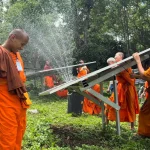
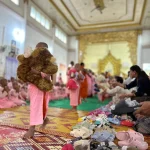
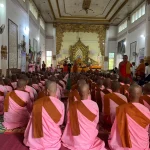
From 28–30 September 2026, the International Network of Engaged Buddhists (INEB), together with UNICEF Thailand, Bodhiyalai Foundation, Legal Status Network Foundation, and Mahachulalongkornrajavidyalaya University (MCU), Chiang Mai Campus, brought together monks, educators, learning-centre managers, and child protection practitioners for the three-day workshop
The workshop marked another step in a longer journey to strengthen the protection and well-being of children and novices in Buddhist communities.
Buddhist temples and learning centres can be important places of education, spiritual development, community, and care. But creating a genuinely safe environment requires more than goodwill. It requires systems that help communities prevent harm, recognise risks, listen to children, respond to concerns, and connect children and families with appropriate support.


From care to protection
This work began in 2024 with a focus on building understanding around the care and support of vulnerable novices. In 2025, the conversation expanded to children’s rights, migration, safeguarding, child protection policies, reporting, coordination, and referral mechanisms.
In 2026, the focus moved from understanding to practice.
Across the three days, participants explored children’s rights and protection risks, learned how to observe signs of concern, practised receiving and responding to reports, discussed confidentiality and referral, and developed practical mechanisms and action plans for their own learning centres and temples.
A key focus was the role of Child Protection Working Group and Child Protection Focal Points—people within local settings who can help connect children and novices with teachers, caregivers, monks, learning-centre leaders, families, and relevant services.
“Protection becomes stronger when responsibility is shared and there is a clear mechanism to act.”
Building a network, not working alone
The third day brought these ideas together through the dialogue “Building a Child and Novice Protection Network in Schools and Buddhist Temples.”
The discussion brought together perspectives from Buddhist education, government social services, child protection organisations, community-based organisations, and specialist child-focused initiatives.
The dialogue included Ven. Wisit Thitawisittho, Asst. Prof. Dr., MCU Chiang Mai; Nakarnwara Tatong, Chiang Mai Provincial Office of Social Development and Human Security; Kriangkrai Chaimuangdee, The Life Skills Development Foundation; Asst. Prof. Dr. Sombat Tapanya, Peace Cultural Foundation; representatives from FocusFoundation and Jeeranut,Baan Dek Foundation; and Weerawan Mosby, HUG Project.
A central message emerged: no single organisation can protect children alone.
Temples and learning centres are often close to children’s everyday lives, while government agencies, civil society organisations, universities, and specialist services bring different forms of expertise and support. Connecting these actors can create stronger pathways for prevention, reporting, referral, and follow-up.
The dialogue also highlighted the importance of ensuring that child protection is understood not simply as responding to serious incidents, but as an ongoing responsibility to create environments where children are respected, heard, and able to seek help safely.

Turning Buddhist values into practical protection
For INEB and its partners, this work connects Buddhist values such as metta (loving-kindness), karuna (compassion), ahimsa (non-harm), and responsibility with children’s rights and practical child safeguarding and protection standards.
The goal is not to replace the caring role of Buddhist communities, but to strengthen it through clear policies, roles, procedures, coordination, and accountability. The workshop concluded with participants developing local action plans and identifying practical next steps for strengthening child protection mechanisms within their own settings.
“The journey is from compassion to systems, from awareness to action, and from individual care to collective responsibility.”
This work is part of a wider effort to support safer, more inclusive, and more compassionate Buddhist communities—where every child and novice is protected, listened to, respected, and able to grow with dignity.